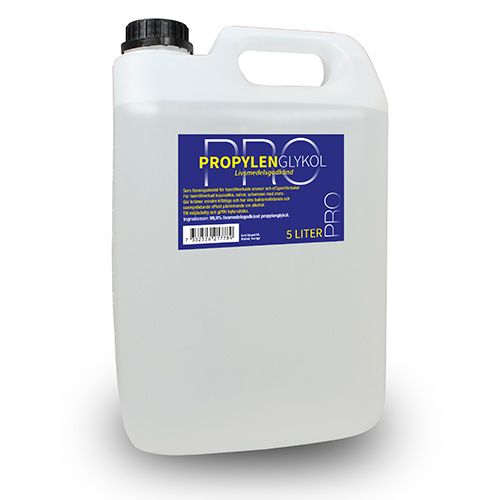
What is food-grade propylene glycol (PG)? Food-grade propylene glycol is a clear, colorless, and nearly odorless liquid recognized as safe by the U.S. Food and Drug Administration (FDA) for use in food. Its chemical formula is C3H8O2. Being food-grade means it has been purified to meet specific criteria that make it safe for consumption in specified amounts. Uses of food-grade propylene glycol in food and other areas: - Humectant: PG is often used as a humectant in food, meaning it helps retain moisture. This is beneficial in products like marshmallows, gummy candies, soft cakes, and sweets where a moist texture is desirable. - Solvent for flavors and colors: Many food colors and flavors dissolve better in PG than in water, making PG an excellent solvent in the food industry. - Anti-caking agent: In products like shredded cheese, PG can be used to prevent clumping. - Emulsifier: PG can be used as an emulsifier, helping to mix and distribute fats and oils evenly in products. - Freezing point reduction: It can be used in the production of ice cream and other frozen desserts to lower the freezing point, resulting in a softer texture. - Carrier in pharmaceuticals: PG is used as a solvent or carrier in many oral, injectable, and topical medications. - Cosmetics and personal care: PG is used in various cosmetic and personal care products due to its properties as a solvent, humectant, and skin conditioning agent. - Coolant and antifreeze: Although ethylene glycol is commonly used in antifreeze, PG is sometimes preferred because it is non-toxic. It is used in areas where there is a risk of environmental contamination.